
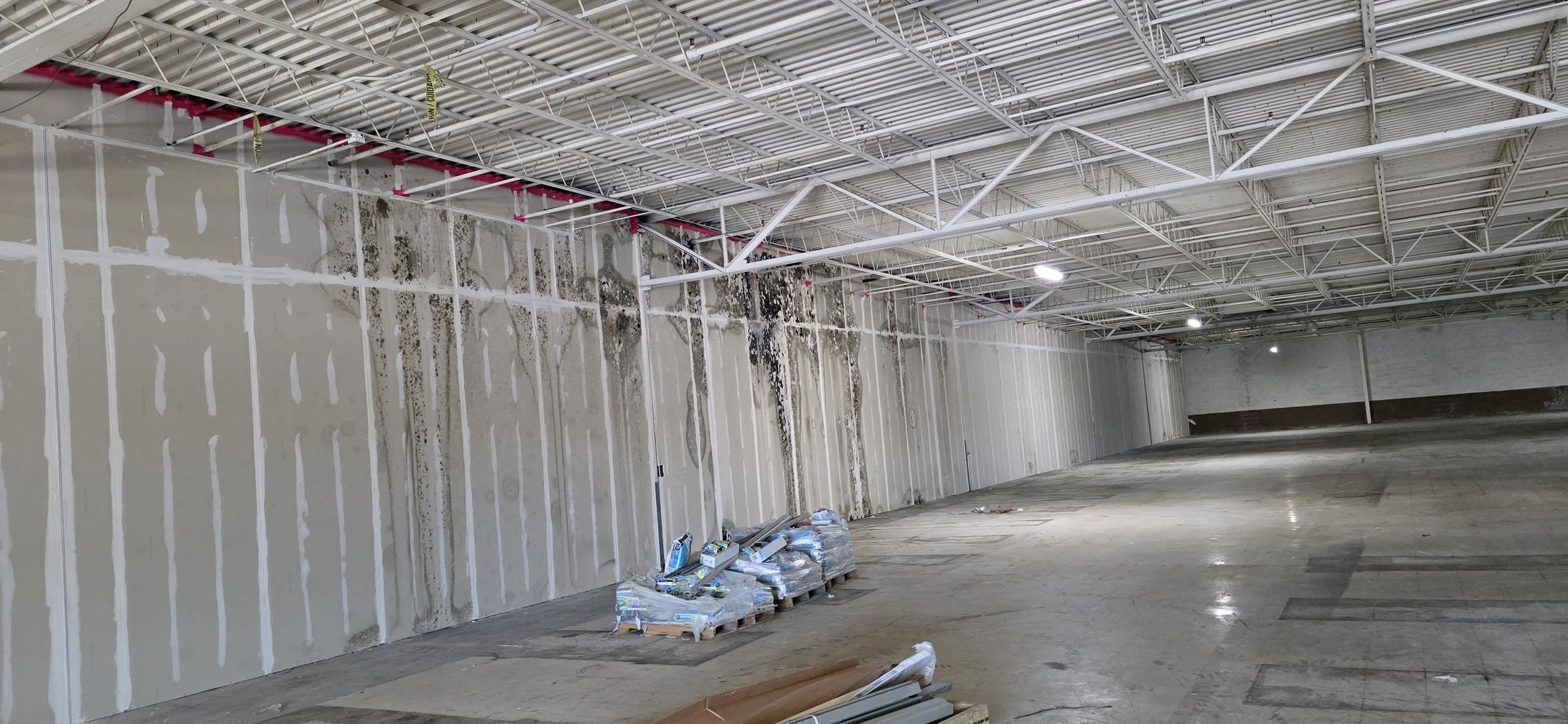
Killing mold is not the same as removing it, and bleach on the surface is not remediation. Real remediation means finding the moisture that caused the mold, containing the area so spores do not spread through the rest of the house, physically removing the growth, and then post-remediation verification to evaluate whether the work area meets the established clearance criteria.
We start with the water, because mold is always a moisture problem wearing a disguise. If we pull out the growth and leave the leak, the slow roof drip, or the wet crawlspace, it comes right back. So we deal with the source first.
Then we contain the work area with barriers and run negative air with HEPA filtration, so the spores we disturb get captured instead of blown into your living room. We remove the materials that cannot be saved, clean and treat the ones that can, and run HEPA vacuuming throughout. When we are done, we test again. That clearance test is how you know the work actually worked, not just looks better.
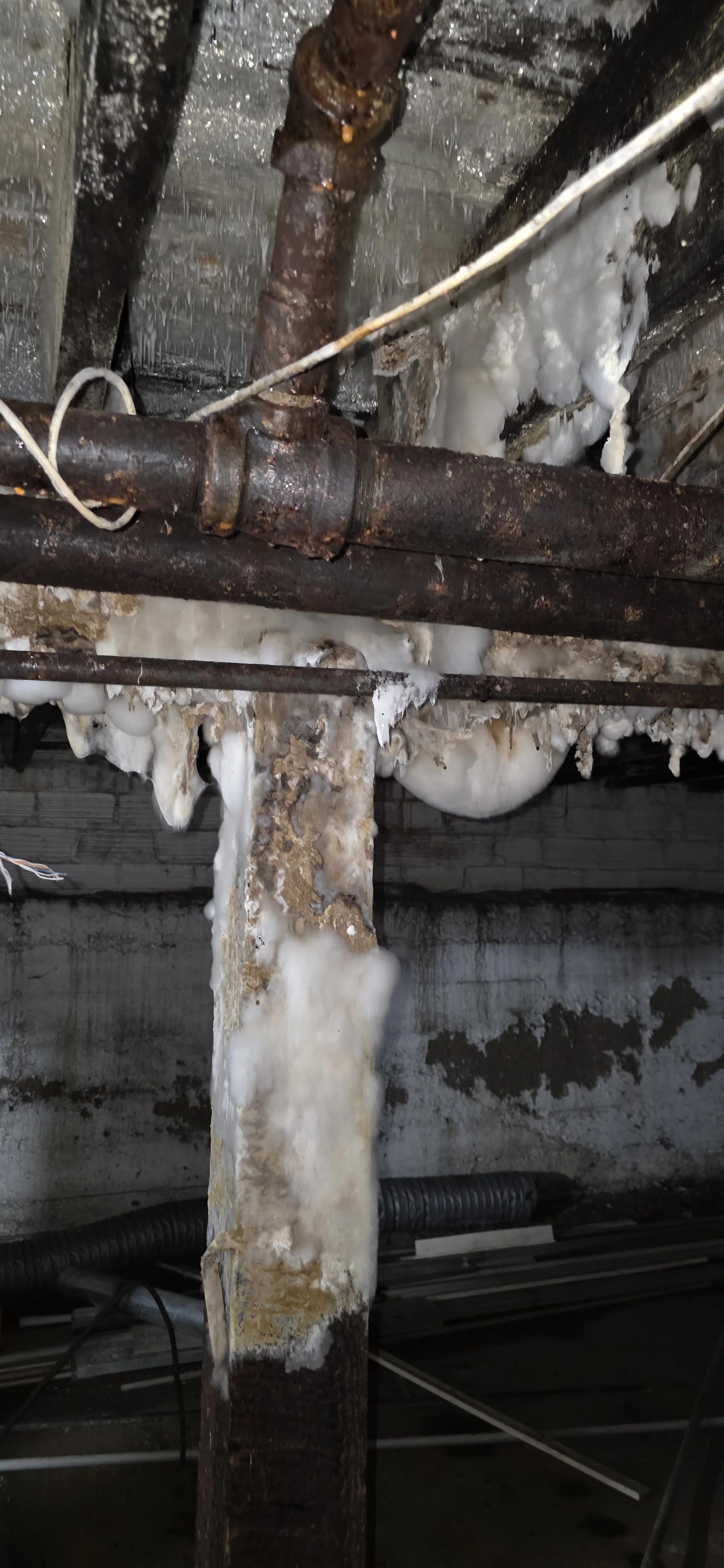
In our area the usual suspects are basements that take on water, crawlspaces sitting on bare dirt, and attic mounted air handlers that sweat and drip onto whatever is below them. Older homes with finished basements are especially prone to it.
One honest note. If someone quotes you thousands of dollars to remediate a small patch of surface mold on a hard, non porous surface, get a second opinion. Sometimes the right answer is that you can clean it yourself and fix the leak, and we will tell you when that is the case.
Mold Removal and Remediation
A Smarter Approach to Mold Remediation
-
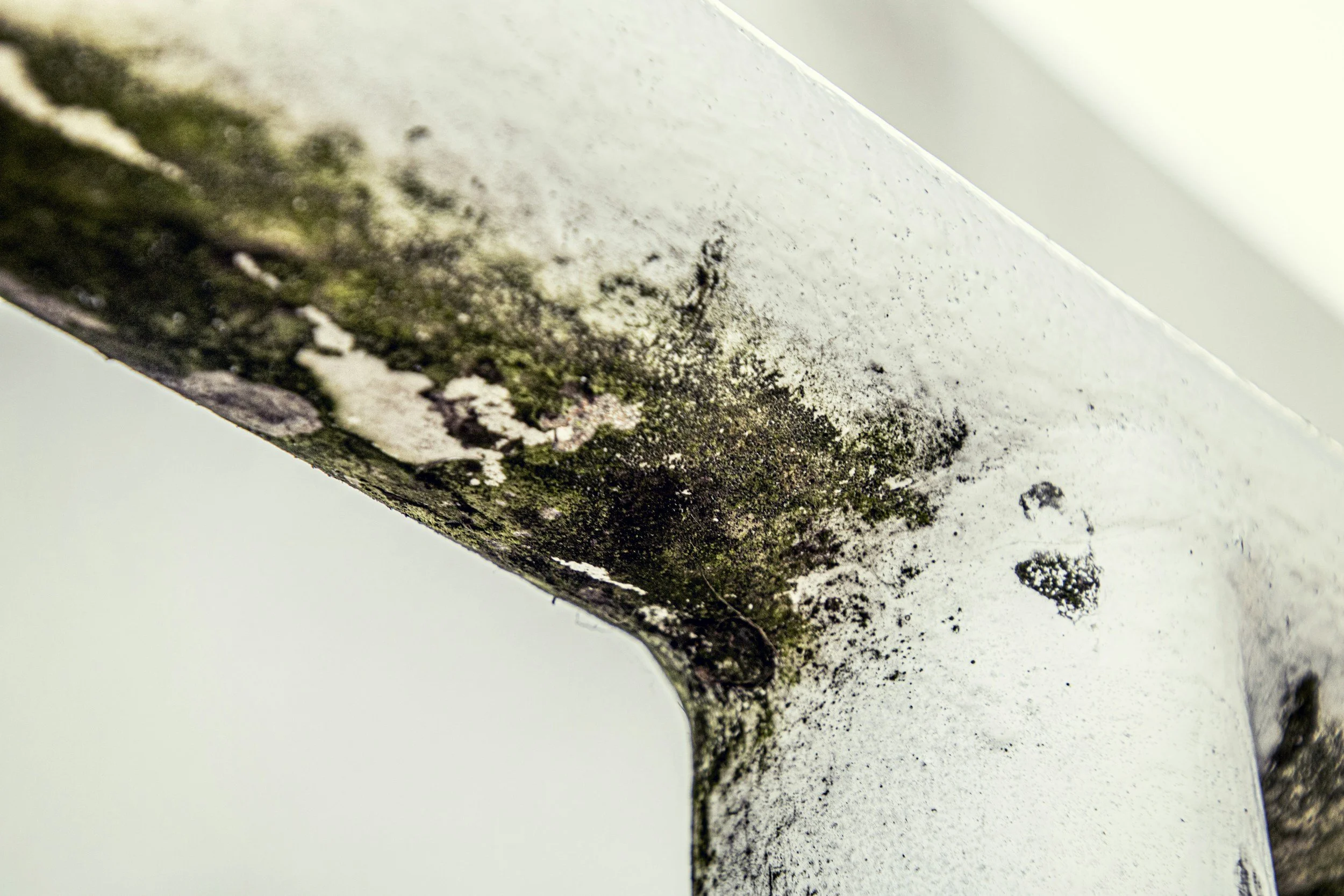
Find It Before It Spreads
Advanced testing helps identify hidden mold colonies and control the area to stop contamination from spreading.
-
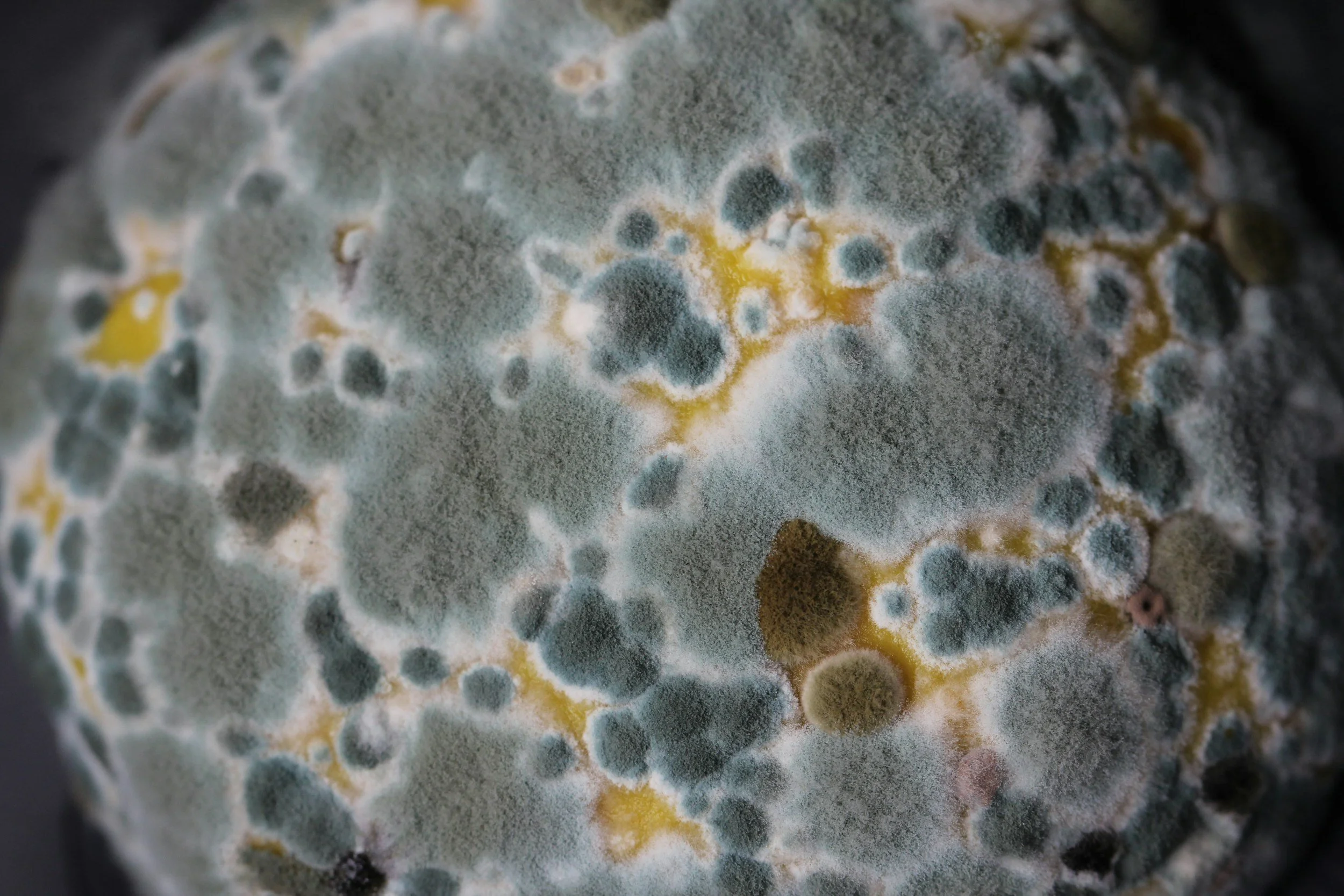
Eliminate at the Source
We remove affected materials and address mold at its source not just the symptoms.
-
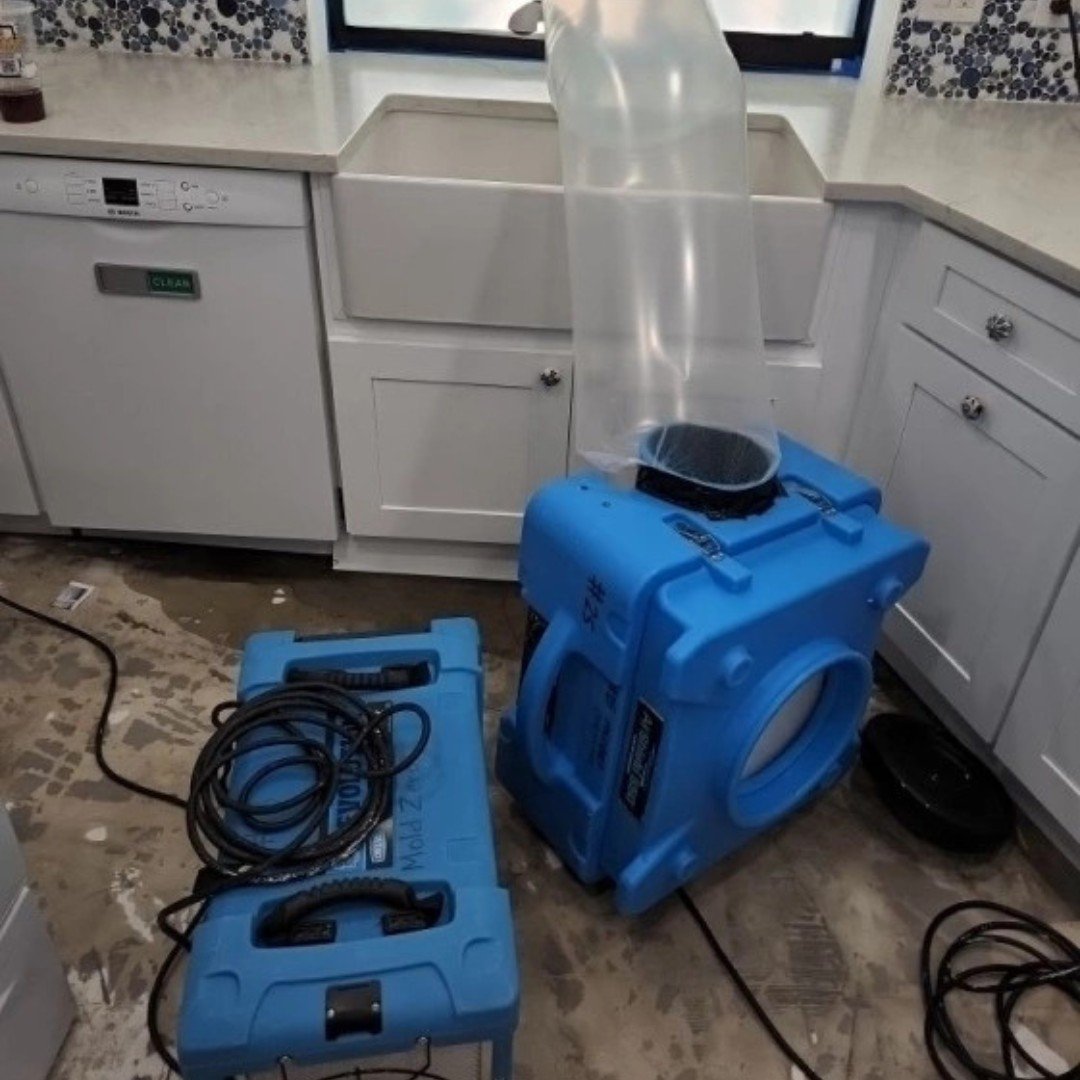
Keep Your Air Quality At Its Best
HEPA filtration, moisture correction, and final testing create a cleaner, safer indoor environment.
Why Mold Removal Requires Certified Experts
Mold isn’t just a stain, it’s a biological contaminant that requires controlled handling. Professional remediation prevents airborne exposure, ensures safe disposal, and restores clean air throughout your home. Choosing experts means choosing safety.
-
Certified technicians know how to isolate affected areas using professional barriers and negative air pressure. Without proper containment, mold spores spread quickly into clean rooms, HVAC systems, and hidden spaces, making the problem far worse.
-
Professional remediation uses HEPA vacuums, commercial air scrubbers, moisture meters, and antimicrobial treatments that homeowners can’t replicate with store-bought products. This technology removes spores at the microscopic level and helps remove mold from the source.
-
Experts follow strict protocols set by IICRC and EPA guidelines to ensure safe handling, disposal, and post-remediation verification. Certified work reduces liability, preserves structural integrity, and supports the mold issue is resolved, not temporarily masked.
Our NORMI certification demonstrates industry-approved techniques and reliable results.
Our ISSA certification reflects our commitment to professional-grade cleaning and environmental safety.
Certified NORMI Mold Remediator ensuring compliant, professional-grade mold mitigation.
NORMI-certified Mold Assessor trained to identify, test, and evaluate mold contamination accurately.
Claims Prevention & Procedure Council

Certified by the IJCSA to ensure safe, compliant, and effective mold removal.