Environmental Risks
Hidden environmental hazards like mold, asbestos, radon, and moisture can threaten both your health and property.
Early detection and professional intervention help prevent long-term damage, improve indoor air quality, and protect the people in your space.
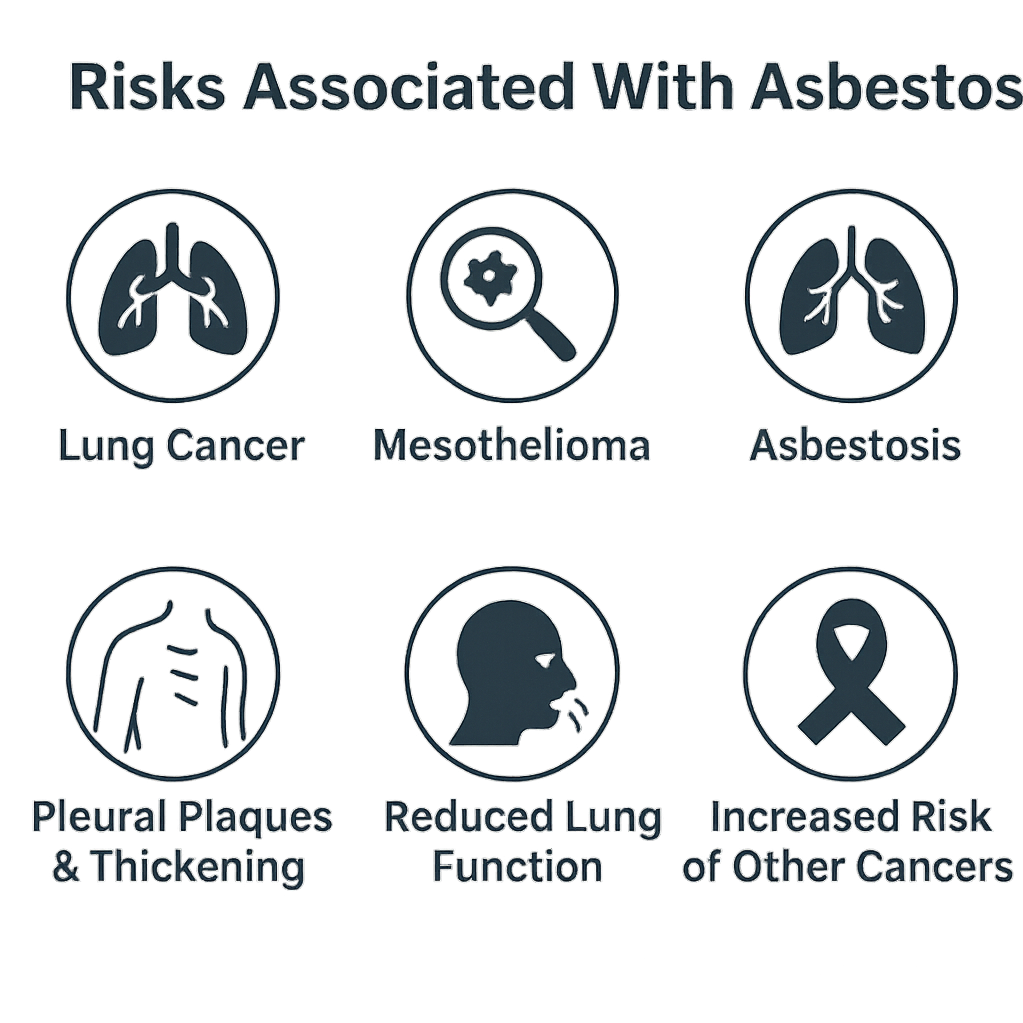
Asbestos exposure poses serious health risks that can develop many years after contact. One of the primary conditions is asbestosis, a chronic lung disease caused by inhaling asbestos fibers. These fibers irritate and scar lung tissue, making it difficult for the lungs to expand and contract properly, leading to shortness of breath, persistent cough, and chest tightness, and in severe cases, respiratory failure. Other risks include…
Lung cancer risk is increased by asbestos exposure, as the fibers can cause mutations in lung cells, especially in smokers. Symptoms include persistent coughing, chest pain, weight loss, and coughing up blood.
Mesothelioma is a rare but aggressive cancer almost exclusively caused by asbestos, affecting the lining of the lungs, abdomen, or heart. Symptoms include chest pain, fluid buildup around the lungs, shortness of breath, and abdominal swelling.
Pleural plaques are thickened patches on the lung lining caused by asbestos exposure. They are often benign but indicate past exposure and a higher risk for other asbestos-related diseases. They are usually asymptomatic but may cause mild chest discomfort or reduced lung capacity.
Pleural effusion, or fluid accumulation between lung layers, can result from inflammation due to asbestos fibers. Symptoms include shortness of breath, chest pain, and coughing, and it may sometimes precede mesothelioma.
Other cancers, including those of the larynx, ovary, and gastrointestinal tract, have also been linked to asbestos exposure. Symptoms vary depending on the cancer type and may include unexplained pain, weight loss, or organ-specific issues.
Because these diseases typically appear decades after exposure, even brief contact with asbestos fibers can be dangerous.
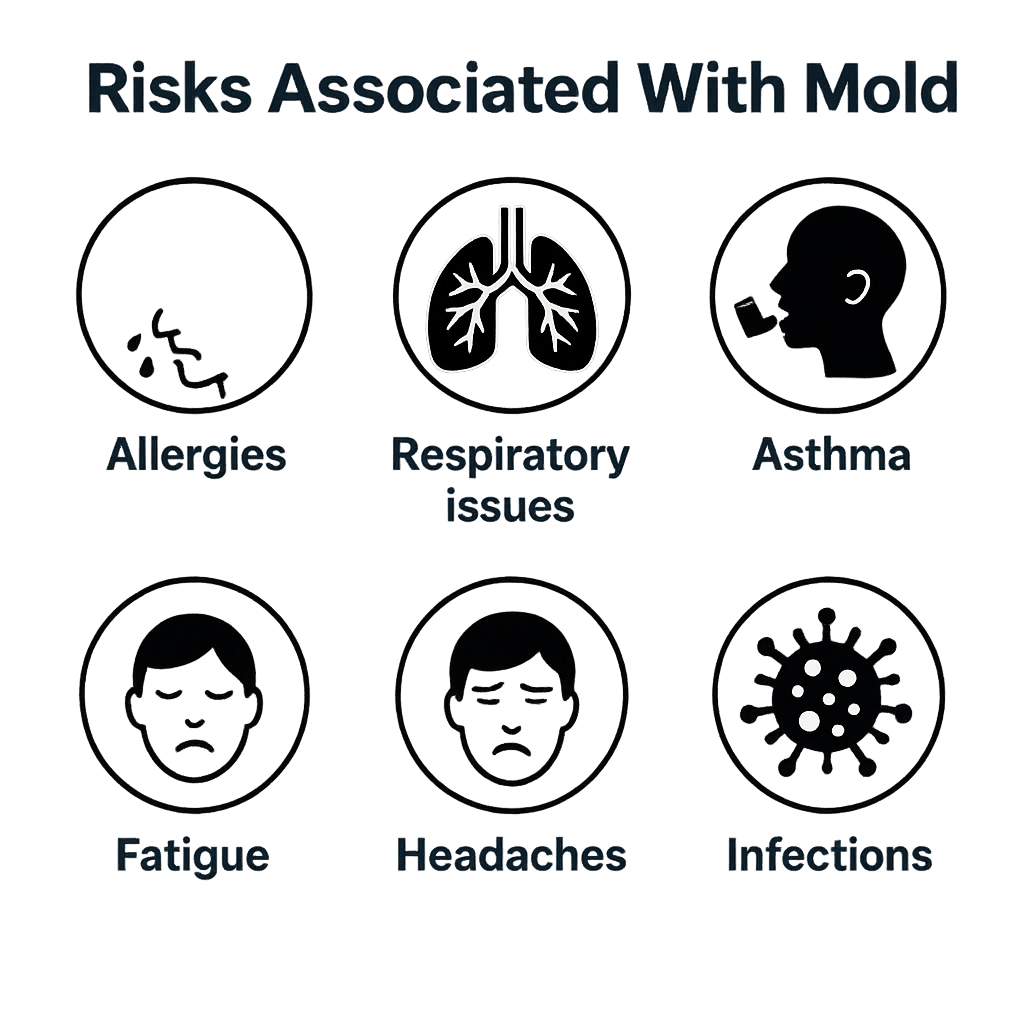
Fatigue and Headaches: Prolonged exposure to mold can cause persistent fatigue, headaches, and difficulty concentrating, often due to the body’s immune response to mold spores and mycotoxins.
Allergic Reactions: Mold can trigger allergic responses in sensitive individuals, including sneezing, runny nose, itchy eyes, skin rashes, and general discomfort. Chronic exposure can worsen these symptoms over time.
Respiratory Issues: Inhaling mold spores can irritate the respiratory system, leading to coughing, wheezing, shortness of breath, and throat irritation. People with pre-existing lung conditions may experience more severe symptoms.
Asthma Exacerbation: Mold exposure can trigger asthma attacks or worsen existing asthma, increasing the frequency and severity of symptoms such as wheezing, chest tightness, and difficulty breathing.
Infections: Certain types of mold, such as Aspergillus, can cause fungal infections, especially in people with weakened immune systems. These infections may affect the lungs or other organs and can become serious if untreated.
Toxic Effects: Some molds produce mycotoxins, which can harm the body when inhaled or contacted. Long-term exposure may lead to neurological symptoms, immune system disruption, or other organ-related issues.
Even brief or low-level exposure can affect sensitive individuals, while prolonged exposure in damp, poorly ventilated environments increases the risk of more severe health consequences over time.