

Mold, Asbestos, and Radon Testing and Inspection
The point of testing is simple. You want to know what is in your air and your building materials before it turns into a health problem or an expensive repair. We find out, we back it with lab results, and we tell you what it means in plain language.
Testing makes sense when you can see or smell something and want to know what it is, when you are buying or selling a property, after water damage or a leak, or before any renovation or demolition on an older building. If you are touching anything in a home built before the 1980s, an asbestos inspection is not optional, it is the law, and it protects whoever is doing the work.
Here is how it goes. First we walk the property the way someone who has done this for years looks at it, checking the obvious spots and the ones people forget, like behind appliances, around the HVAC equipment, in the crawlspace, and anywhere water has a reason to sit. Then we collect air, surface, or material samples and send them to a certified lab. For mold that tells us the type and the spore counts. For asbestos it tells us whether a material contains it and at what percentage. For radon we set up the proper measurement over the right amount of time.
Then you get a report you can actually read, with what we found, what the risk level is, and what we would do about it. No filler, no scare tactics. If the news is good, the report says so. And if you take that report to another contractor for a second quote, even better. We want you to be able to check our work.
Call (618) 477-2761 to schedule a test.
Identify Hidden Hazards Before They Spread
-
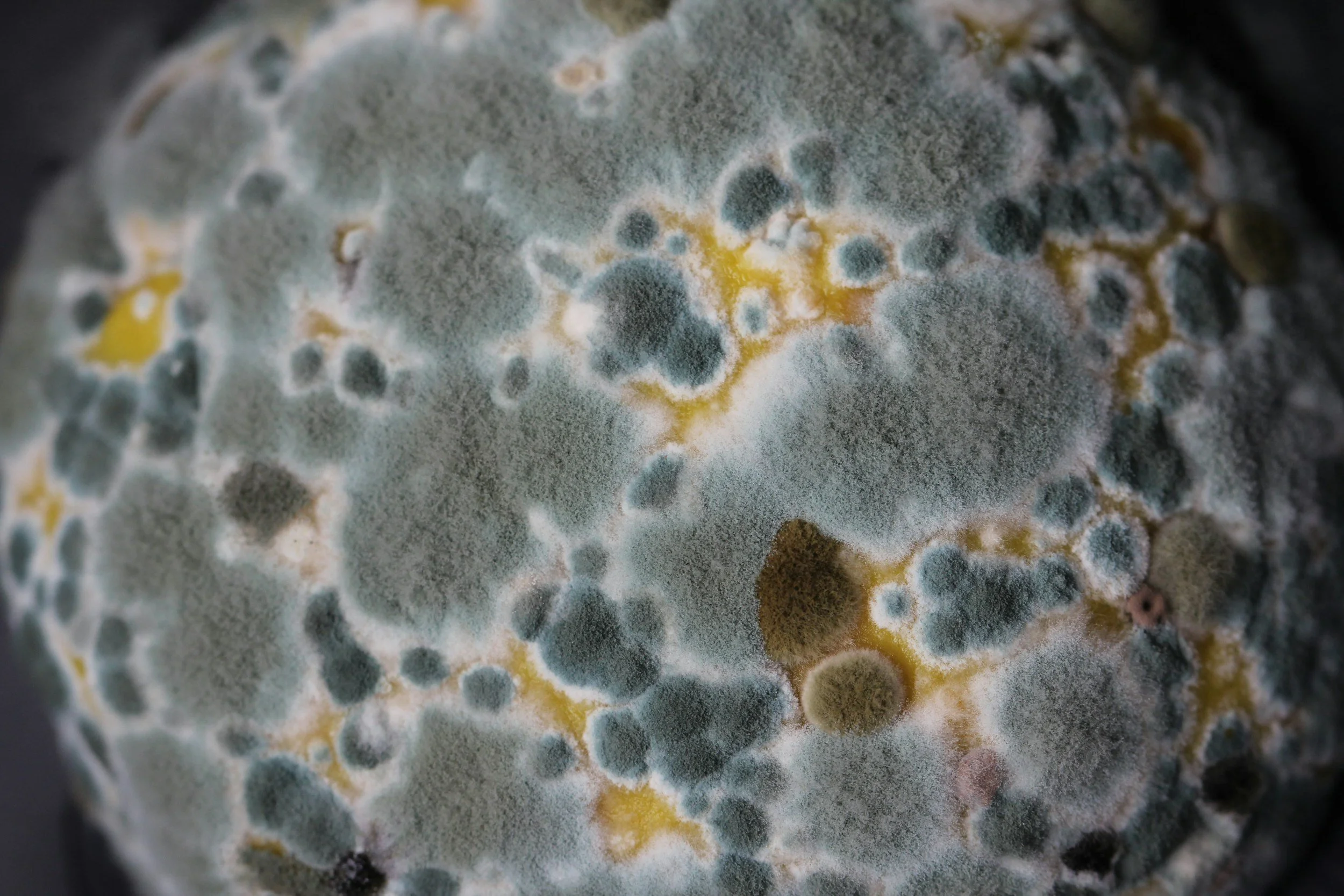
Comprehensive Hazard Identification
Detect mold, asbestos, radon, and moisture issues using advanced tools and certified testing protocols.
-
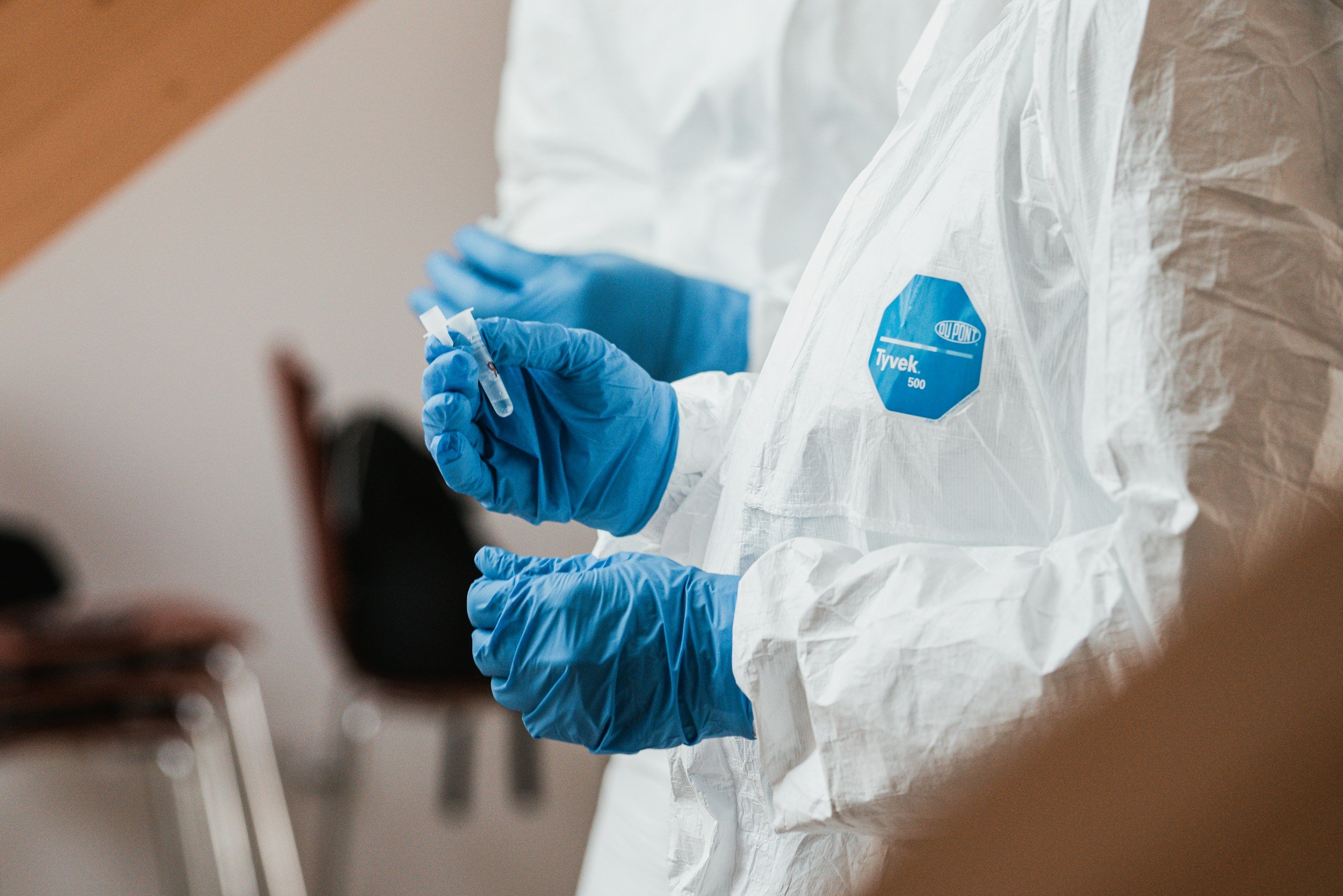
Accurate Reporting & Analysis
Receive detailed results that clearly outline risks, affected areas, and recommended next steps.
-
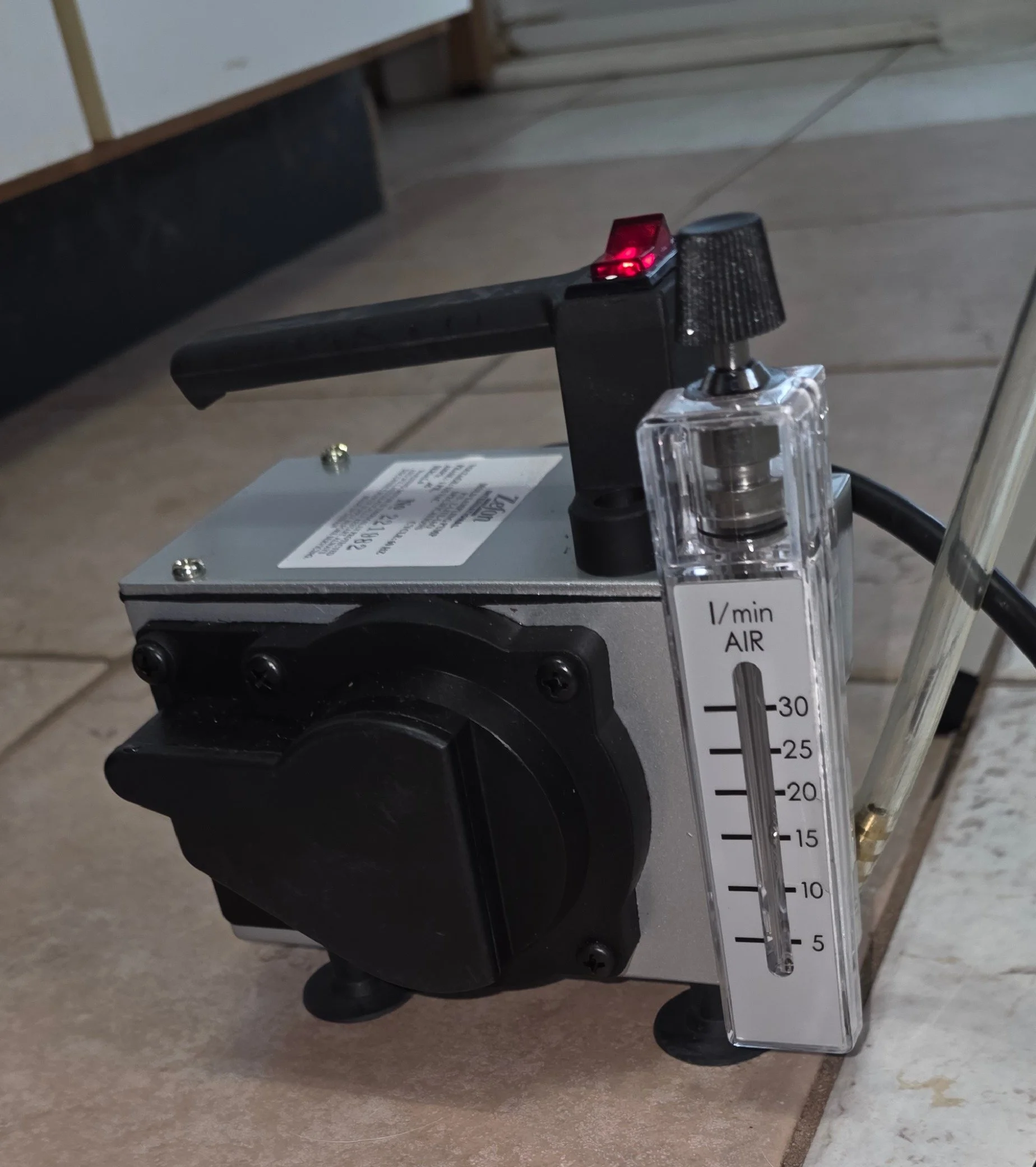
Prevention & Peace of Mind
Early detection helps prevent health problems, structural damage, and costly future repairs.
How Our Testing & Inspection Process Works
A thorough environmental inspection follows a structured process to uncover hidden hazards, ensure accurate results, and guide safe remediation. Each step is designed to protect your health, prevent property damage, and provide clear guidance for next steps.
-
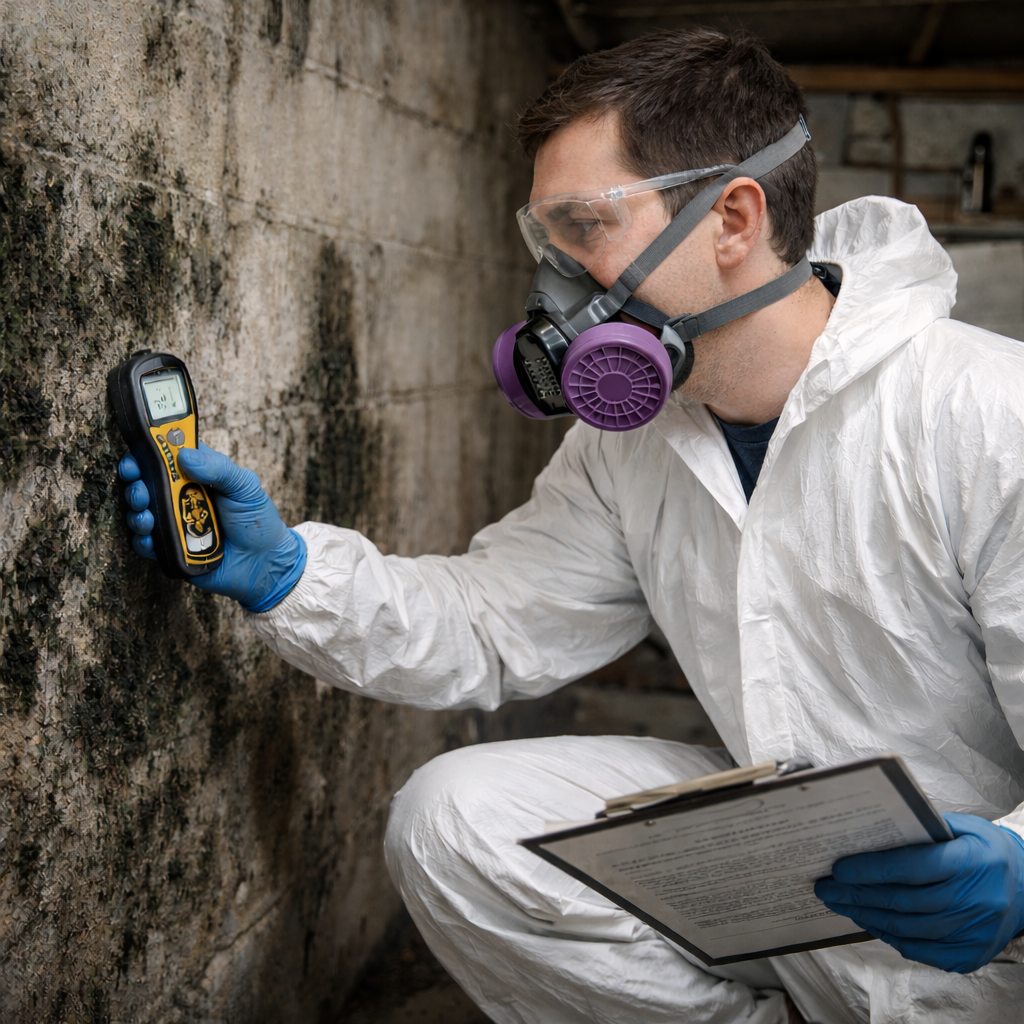
Inspectors survey your property to identify potential problem areas, taking note of visible damage, moisture, and material composition.
-
Samples of air, surfaces, and materials are collected and analyzed using certified, industry-standard laboratory methods for mold, asbestos, radon, and other hazards.
-
Results are compiled into an easy-to-understand report, highlighting risks and providing expert guidance for safe remediation or preventative measures.
Certified by the IJCSA to ensure safe, compliant, and effective mold removal.
Our ISSA certification reflects our commitment to professional-grade cleaning and environmental safety.
Our NORMI certification guarantees industry-approved techniques and reliable results.
Certified NORMI Mold Remediator ensuring compliant, professional-grade mold mitigation.
NORMI-certified Mold Assessor trained to identify, test, and evaluate mold contamination accurately.
Our AHERA certification ensures accurate asbestos inspections and adherence to federal safety standards.
Soilair Technologies Solar Cleaning Partner and training certified.
Claims Prevention & Procedure Council